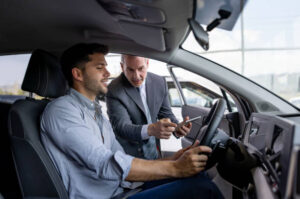
When it comes to buying a car, there’s one moment that can either seal the deal or send the customer walking: the test drive. For most buyers, the test drive is more than just a 10-minute loop around the block — it’s an emotional experience. It’s the moment when research becomes reality. When imagination becomes interaction. And when a dealership’s reputation is either confirmed or challenged.
So what really makes a test drive memorable for the buyer? Let’s explore the key elements that transform this short interaction into a lasting impression—and more importantly, into a sale.
1. The Warm-Up: First Impressions Count
The test drive starts before the customer ever sits in the vehicle. The way your sales team greets the customer sets the tone. A warm, confident introduction—not overly scripted—immediately builds trust. When a salesperson takes a moment to ask the customer about their needs, lifestyle, and concerns, it shows that the dealership isn’t just focused on making a sale, but on creating a relationship.
This is where many dealerships fall short. Rushing to the car keys and ignoring the personal connection makes the test drive feel transactional, not tailored.
2. Vehicle Presentation: It’s About the Details
Buyers notice when the car is ready: clean, gassed up, and waiting. It communicates respect for their time and expectations. Before the customer even drives, a quick walk-around highlighting specific features—based on what the customer shared—makes them feel seen.
For example, if the buyer mentioned they have kids, pointing out the rear-seat climate control or safety features adds relevance and personal value. When the presentation aligns with their lifestyle, the car starts to feel like theirs before they even buckle up.
3. On the Road: Let the Car Speak
The biggest mistake some salespeople make is dominating the test drive with a running monologue of features. Customers need space—mentally and physically—to feel the vehicle. Let them focus on how the car handles, the quietness of the cabin, or how intuitive the controls feel.
Instead of narrating every second, guide the experience: “Would you like to try it on the highway or through a residential area?” Giving the buyer choice during the drive enhances their sense of control and comfort—two emotions that heavily influence buying decisions.
4. The Emotional Connection: Beyond Features and Specs
People don’t just buy cars—they buy how those cars make them feel. That’s why a great test drive taps into emotion. A parent may be thinking about safety. A young buyer may be picturing weekend getaways. A business owner may care about professionalism and reliability.
A skilled consultant knows how to ask the right questions before the test drive to identify those emotional triggers—and then subtly reinforce them during the experience.
5. The Wrap-Up: Ending with Confidence, Not Pressure
Once back at the dealership, the follow-up is just as critical as the drive itself. This isn’t the time for hard closes or fast figures. It’s the time to reflect on what the customer experienced and answer questions with patience and clarity.
A memorable test drive ends with the customer feeling understood—not pushed. Whether they decide to buy today or next week, what they’ll remember most is how the experience made them feel.